
Success begins with expert guidance.
Your world. Without limits.
- Counselling and English preparation
- University admission and visa file
- Travel — all handled by one team
Where do you want to study?
Tap a country on the globe. Drag to spin it

INSIDE COMPANY
What we do
Counselling, admissions, English preparation, visa file preparation and travel — under one roof in Kabul since 2019.




A world of possibilities
Where will you begin?
Twelve destinations from the globe above. Choose one to see how its degrees are built — language, length and intakes.
Process
Six steps, in this order, every time.
Submit your documents
- Academic, ID and supporting documents
- Evaluated by GECSC — admission begins
Sign a clear agreement
- Our services, in writing
- Our responsibilities and yours
- Through admission and visa
Prepare for the university interview
- Training and mock interviews
- Present yourself with confidence
Build the visa file
- Financial, academic and identity documents
- Checked for completeness and consistency
Embassy appointment
- We book the appointment
- We brief you on documents and procedure
Visa and travel
- Flight booking
- Accommodation guidance
- Pre-departure briefing for your first week
Credentials
Who we answer to.
A registered consultancy can be checked and held to account.
- Here is exactly who we're registered with
- And what each registration means
 Licensed
Ministry of Industry & Commerce
- Officially registered and licensed
- A business you can hold to account
 Member
Association of Educational Consulting Services Companies
- The Afghan industry body for consultancies
- Our conduct answers to it
 Registered
ICEF
- Where agencies and universities meet
- Direct line to admissions offices abroad
Partners
Institutions we work with.
Gannon University
- Leading Catholic university, USA
- Undergraduate, graduate and online programmes
Westcliff University
- Accredited school in California
- Career-focused, online and on-campus
- Day-1 CPT for international students
ESSCA School of Management
- International business school, France
- Skills, sustainability and entrepreneurship
ISTEC Paris
- State-accredited business school
- International marketing and management programmes
Ascencia Valencia
- Career-focused campus in Spain
- Business and technology programmes
- Part of the Collège de Paris network
Partner with GECSC
- University partnerships
- Institutional representation
- Joint seminars
Watch
From our channel.
- Success stories
- Destination guides
- English department sessions


Not sure which country fits you?
- Bring your transcript and budget
- Thirty minutes narrows 25 countries to two
Our team
Real people. Shared ambition.
The people who will handle your file.

Muzamel Hamidzada
“It is my sincere pleasure to welcome you to GECSC.”
I founded Global Educational Consultancy Services in 2019, starting from a single desk with one simple belief: every student who dreams of studying abroad deserves honest, expert guidance from the very first conversation. Since then, GECSC has grown into four departments, including a language institute and a travel agency. All of them work together under one roof at Muslim Plaza in Shahr‑e Naw, Kabul, so a student’s whole journey can be handled in one place: choosing a course, preparing for English tests, getting the visa file ready and booking the flight.
None of this would be possible without my team. Our senior consultants, Ms. Maryam Hormati and Mr. Abdul Nasir Akbari, meet most of our students first. They help them choose the right country and university, and they give each family an honest view of how ready they are. Behind them stand our admissions officers, language teachers, travel agents, media department and front-desk staff. Every one of them works to the same standard: tell the student early, give the full price at the start, and always answer the phone.
What guides us every day are our core values: excellence, integrity, innovation, diversity, commitment and collaboration. With partners across Europe, North America and Asia, we can open many doors for our students. But we never forget that each application is a person’s future and a family’s hope.
If you would like to reach me personally, you are always welcome to write to me at muzamel@gec.edu.af.
Whether you are taking your first step or starting again after a setback, we are honoured to accompany you.
Together
One team, four departments.
- Counselling and admissions
- Global Languages & Testing Hub
- Travel agency — all at Muslim Plaza

The people
Who you will meet.
Every advisor works to one standard:
- Tell the student early
- Price it in full
- Answer the phone

- First meeting with most students
- Course choice and country shortlist
- An honest read on readiness

- Runs the admissions desk
- Which universities, in what order
- What to fix before sending

- Runs the institute day to day
- Classes, timetables, staff rota

- Course and country choice
- What your marks and budget support

- Sits in on counselling
- Prepares university shortlists

- Prepares and submits applications
- Keeps each file to its deadline

- Builds each university's document set
- Transcripts, attestations, translations

- Follows up with universities
- Tells you the moment news arrives

- Checks profiles against entry requirements
- Before the file is sent

- Offer letter to acceptance
- Deposit and enrolment paperwork

- Assembles application files
- Chases the missing document

- Receipts and payment records
- What's paid, what's owed

- Films and edits our videos
- Visa stories, country guides, seminars

- Runs Global Travel & Tours
- Tickets, hotels, insurance, transfers
- Türkiye medical visa service

- Ticketing on the travel desk
- Bookings, changes, appointment dates

- Your first hello at Muslim Plaza
- Books consultations

- Phone and front door
- Nobody waits without being told
Come and meet the team.
- 2nd Floor, Muslim Plaza, Haji Yaqoob Square, Shahr-e Naw
- The first consultation is free
Staff appreciation day · 26 February 2024
The people who stay.
- A file can take eight months or more
- Your advisor should still be there at the decision
- Once a year we thank our staff — by name


Turnover is a student's problem, not just ours
- A mid-file departure costs the student
- Repeated explanations, lost context, missed deadlines
- We keep good staff so your advisor remembers your case
- Counselling and admissions
- Finance and media
- The travel desk
Inside
Our Kabul office.


Join the team
Want to work with us?
- Counselling, admissions, English, travel and media roles
- Send your CV online — it goes straight to HR
Services
Big ambitions. Clear direction.
Language instruction, academic guidance and visa facilitation.
- English test, application, visa file, flight
- The same team, start to finish
- Nothing handed to a stranger

Study abroad advising
- Country and programme matched to your record
- Built around your English level and budget
- Cost, duration, work rights and recognition — explained first
University & college applications
- Forms, transcripts, translation, attestation
- Motivation letters and recommendations
- Submission and follow-up until a decision
IELTS, TOEFL and Duolingo preparation
- Courses aimed at your required score
- Taught at the Global Languages & Testing Hub
- We fix language level early
Visa file preparation
- Embassy-specific document checklists
- Financial proof, accommodation, insurance
- Appointment coordination and interview briefing
- The decision is the embassy's — the file quality is ours
Flights, hotels & transfers
- Tickets, accommodation, insurance, transfers
- For students, families and business travellers
Institutional representation
- Pre-screened applicants
- Consistent document standards
- One named contact per partner
What makes us different
Three things most consultancies won't take on.
Refusal to reapplication
After a refusal, our specialists:
- Read your refusal letter and pinpoint exactly why the application failed
- Redraft and strengthen it — eligibility, financial soundness, genuine intent
- Submit the reapplication on your behalf and track it
Embassy interview preparation
Interview preparation — at no extra cost:
- One-on-one mock interviews
- Feedback on body language, answer structure and cultural etiquette
- A tailored playbook of likely questions and model responses
Online payment portal
Pay your fees simply, from anywhere:
- Multiple currencies — USD, EUR and AED
- Secure gateway with end-to-end encryption
- Instant payment confirmation and digital receipts
Destinations
Twenty-five countries. Five we know inside out.
- Countries where we have partners and recent files
- Current requirements, checked each intake
- If we don't work there, we tell you

India
800+ visas issued- Our largest destination
- English-medium, recognised degrees
- A short flight from Kabul
- A full degree within reach of more families
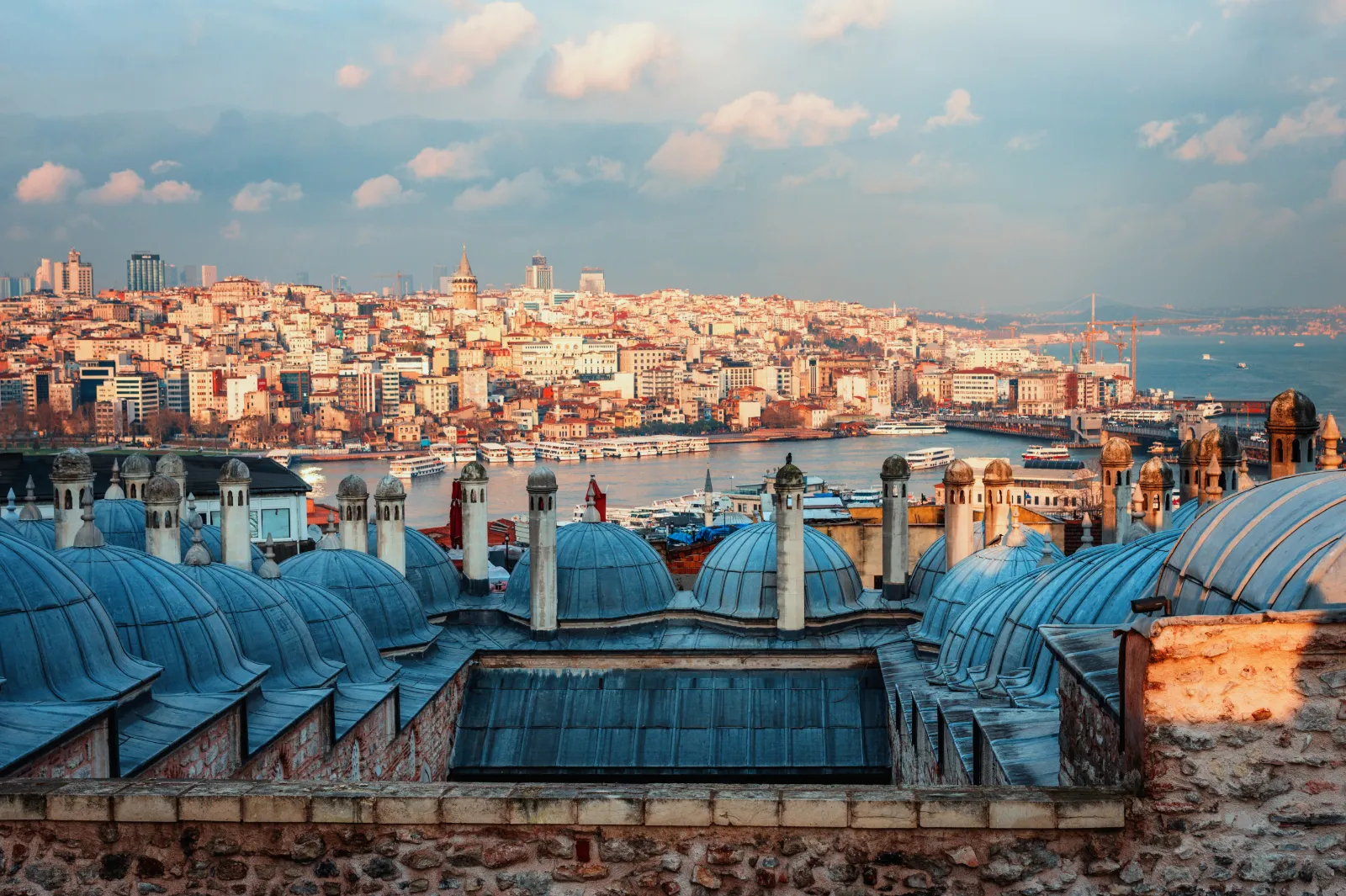
Türkiye
2,000+ students sent- Our strongest partner network
- Universities across several cities, English and Turkish-taught programmes, undergraduate through PhD, and medical faculties

China
200+ visas issued- Top-ranked universities, scholarship routes and English-taught degrees
- A complex application process that we run start to finish
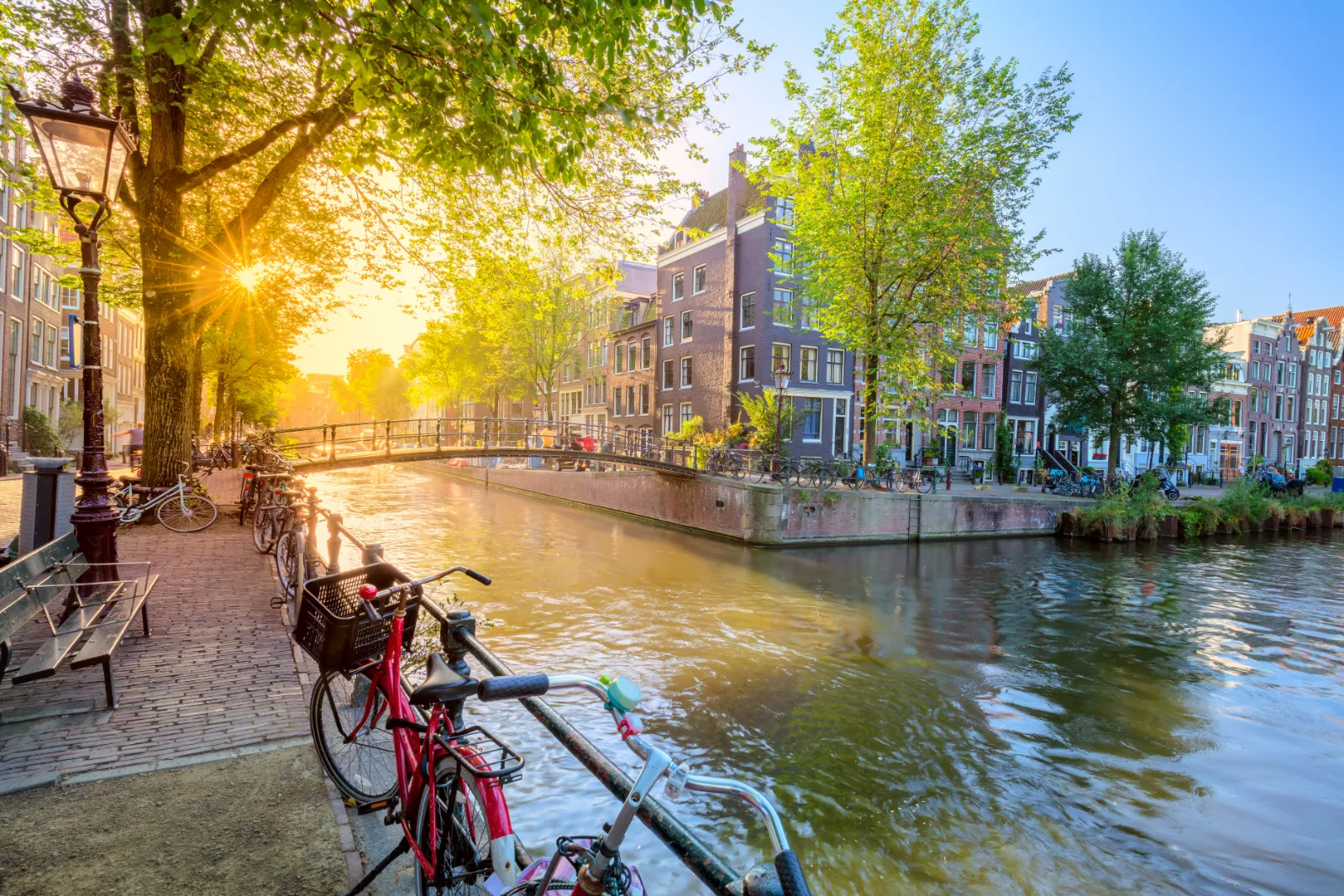
Netherlands
100+ visas issued- Research and applied-science universities
- Payment terms agreed in writing first
- First-year tuition up front
- Blocked amount refunded on arrival
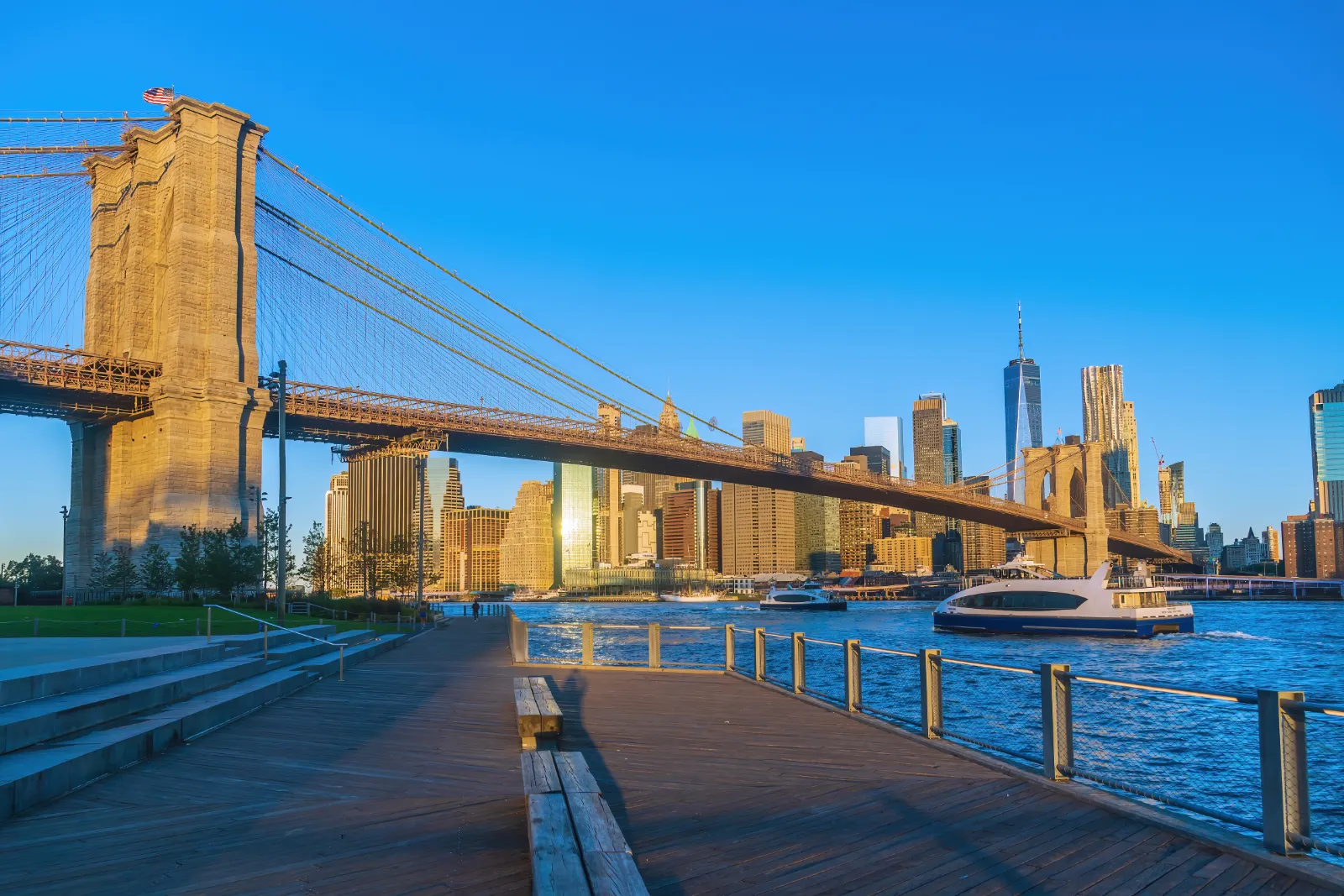
United States
40+ visas issued- Studying in the USA is the most demanding route we handle — and one where preparation shows
- Partner institutions include Gannon University and Westcliff University
Also advising on
Europe, and the routes worth knowing about.

Ireland
- EU degree taught in English
- 1–2 years' work permission after graduating
- Visa file routed through Abu Dhabi

France
25+ visas issued- Business schools: ESSCA and ISTEC Paris
- International, career-focused programmes
- Our fastest-growing European route
- No Campus France procedure for Afghan applicants

Spain
- Ascencia Valencia — Collège de Paris network
- Practical business and technology programmes

Germany
- No tuition at public universities
- Close to 2,000 English-taught programmes
- 18 months to find work after graduating

Bosnia and Herzegovina
- Lower-cost European route
- Straightforward requirements
- A European degree on a tighter budget
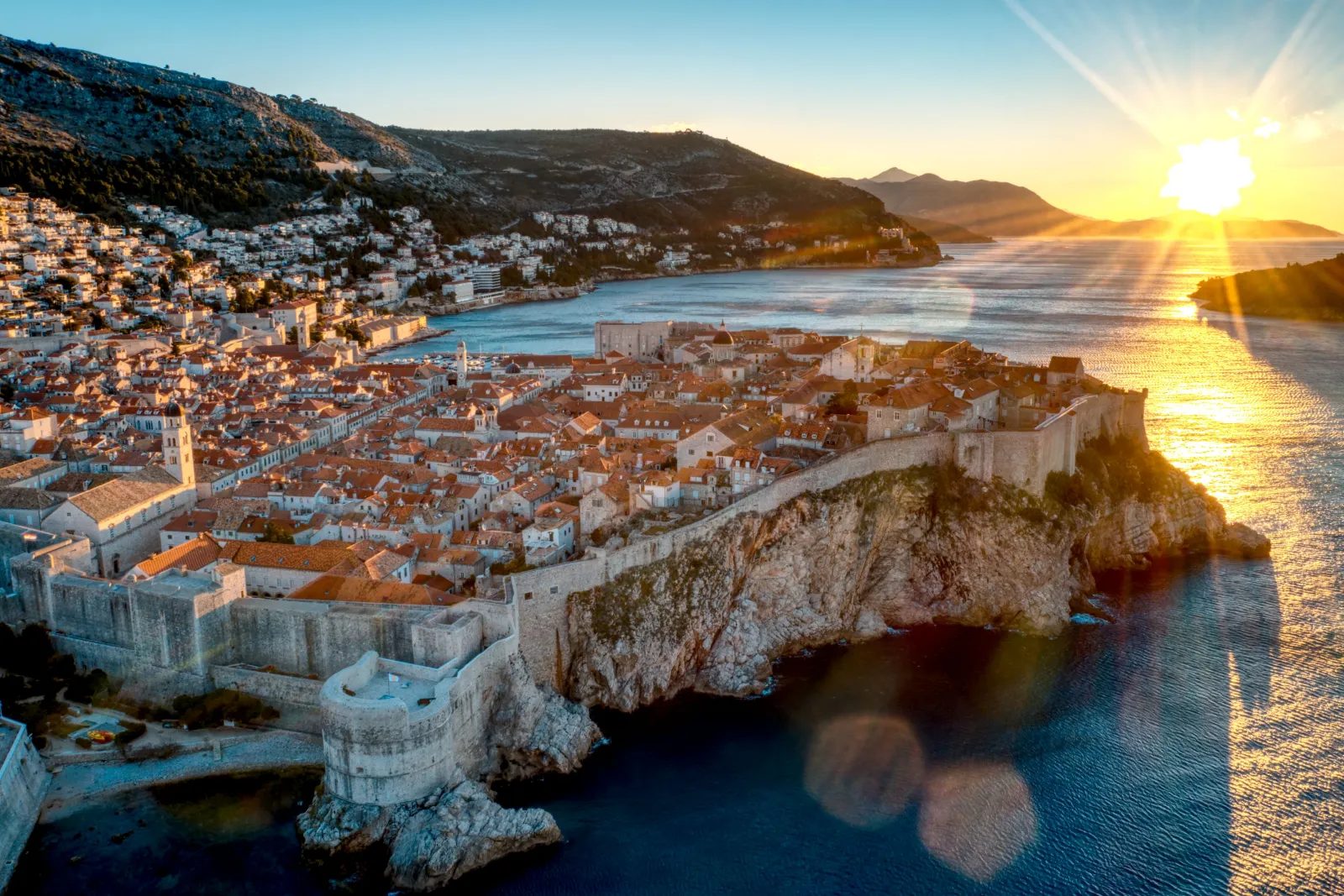
Croatia
- EU-recognised degrees with a defined consular route
- We confirm the current process before you pay anything
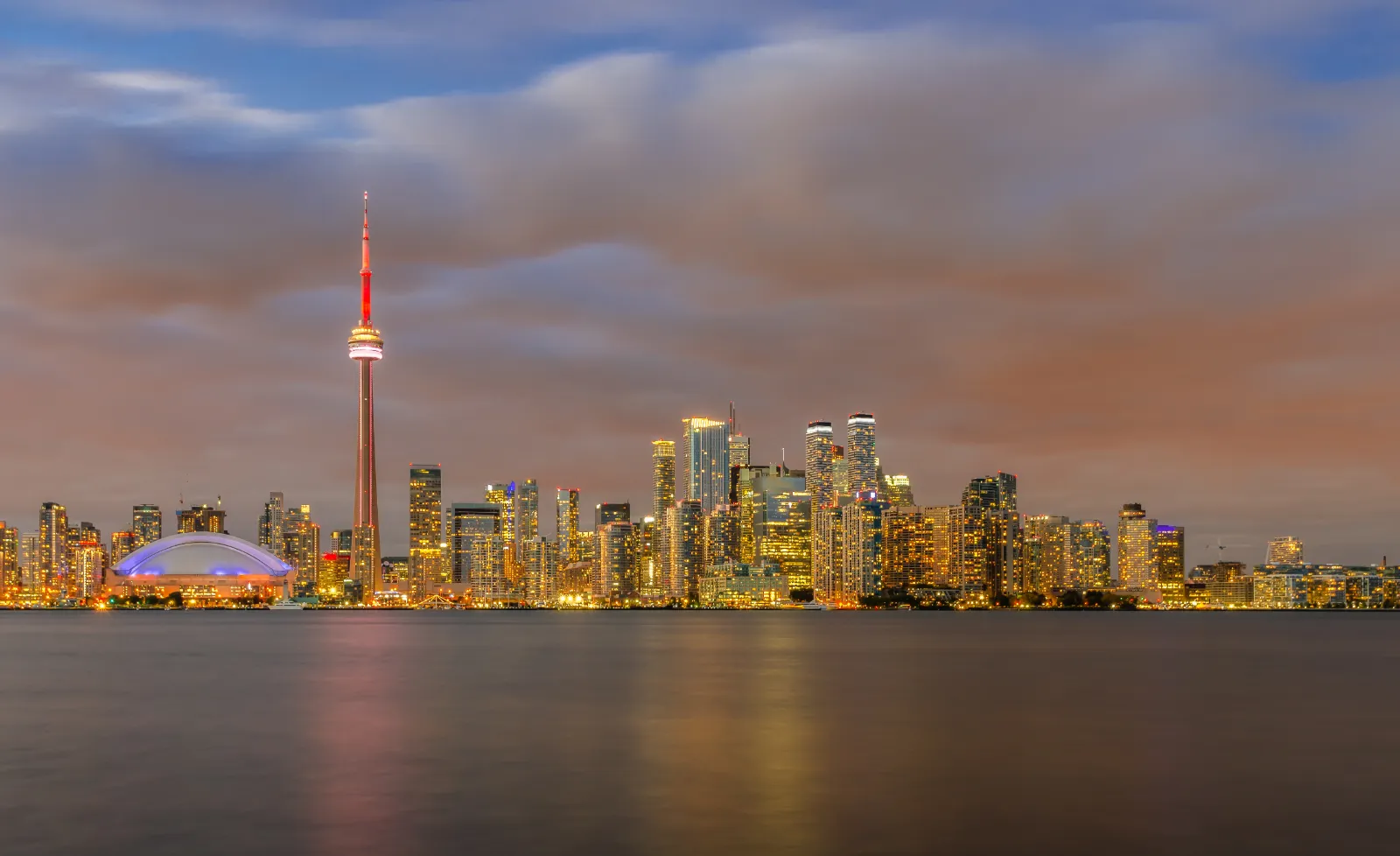
Canada
- Study permit under the new cap
- Provincial attestation letter
- Up to 3 years' work after graduating
How to choose
Three questions that decide the country.
What can you actually pay?
- Tuition is only half of it
- We price living costs, blocked amounts, insurance and the flight before you choose, not after
What is your English level today?
- Not what you plan to reach
- Some routes accept you now; others need a term of preparation first — which our English department provides
What happens after graduation?
- Work rights
- Recognition of the degree at home
- The cost of staying
Campaigns
The routes we are running now.
- Canada, Ireland, Australia and France
- Tap any poster to open it full size
- Ask us which one fits your profile
 Canada
 Canada
 Canada
 Ireland
 Ireland
 Ireland
 Australia
 Australia
 Canada
 France
Outside Afghanistan
Living in Iran, Pakistan, Türkiye or Oman? You can still apply through us.
- Already living abroad?
- No need to travel back to Kabul to start
Register online
- Open your file from Iran, Pakistan, Türkiye or Oman
- Reviewed and submitted exactly as in Kabul
We process the application
- Same departments, same standards
- Europe, Canada, Ireland and more
Attend in your country of residence
- Your embassy appointment takes place where you already live
- No return trip, no lost months
Free guides
Take the country guide home with you.
- The printed guides from our office
- What each country costs and what it needs
- Every step, contract to visa
France — Dream Big, Study Smart
- Cities, universities and deposits
- The full document list
- Duolingo route — no TOEFL or IELTS
Canada — Study Permit Guide
- Prepayment figures
- Full document checklist
- Processing time and work permit
Netherlands — Study in Europe
- Blocked account and tuition ranges
- Five-year residence route
- Schengen travel
Türkiye — The Language Route
- Learn the language first, then study free or at low cost
- Prepayment, bank statement and required documents
Global Travel & Tours — Türkiye Medical Visa
- Invitation letter
- Hospital fee handling and airport transfer
- Economy and VIP packages
Study in Türkiye
Afghanistan's No. 1 for study in Türkiye.
More than 2,000 Afghan students sent to Turkish universities since 2019 — more than any other consultancy.
- 2,000+ students sent to Türkiye since 2019
- 72 universities in Istanbul, Ankara, Izmir, Antalya, Konya, Kayseri, Mersin, Gaziantep, Trabzon and more
- BBA, BCS, Engineering, Aviation and more
Türkiye is where most of our students begin. We work directly with the admissions offices of the universities below, so you apply through one team in Kabul — from choosing the right programme to the day you register on campus.
The universities
Find your university.
- Filter by city or subject
- Tap a university for fees, scholarships, deposit and dorms
Every fee below comes from the university's own price list for international students. Choose a university to see the details, then apply through us — we handle the application, the offer letter and the deposit with the university for you.
Compare fees
BBA and BCS — side by side.
- Lowest published yearly fee at each university
- Before personal scholarships
Business Administration (BBA) and Computer Science or Computer Engineering (BCS) are the two degrees our students choose most. Here is what each university charges for them, from the lowest yearly fee upwards.
Living costs
What a month costs.
- As the universities themselves publish it
Türkiye is one of the most affordable places to study abroad. Istanbul costs the most; Ankara, Konya and the Mediterranean cities are noticeably cheaper for rent and daily life.
$970 – $1,470 a month
- Dorm $700 single · $950 double, utilities included
- Food $150 – $300
- Source: Bahçeşehir University
€350 – €700 a month
- Plus a dorm at about €300 – €700
- Campus meal about €4 · bus ticket under €0.50
- Source: Ankara Medipol University
About $200 a month
- Plus private housing at $250 – $300
- Rent about half of Istanbul's
- Source: KTO Karatay University
Student visa
Apply for your visa from four cities.
Afghan students can apply for a Türkiye student visa in any of four cities, so you can choose the one closest to home. We prepare your whole visa file with you before the appointment.
Kabul, Herat, Mazar-e-Sharif or Kandahar
- Kabul
- Herat
- Mazar-e-Sharif
- Kandahar
$5,000 minimum balance
The embassy asks to see a bank statement showing a minimum balance of $5,000. We check your statement with you before you book the visa appointment.
How it works
From first meeting to registration.
You apply through GECSC, not on your own. Our team prepares your file, deals with the university for you and stays with you until you are registered.
- ChooseWe shortlist universities for your marks, budget and subject
- ApplyWe send your application · diploma, transcript, passport
- OfferConditional offer letter, usually within one to two weeks
- DepositSecures your place and releases the official acceptance letter
- VisaApply in Kabul, Herat, Mazar-e-Sharif or Kandahar · $5,000 bank statement
- RegisterEquivalence certificate, residence permit, first instalment
Fees are as published by each university for the year shown on its card. Universities change fees every year — we confirm the current fee in writing before you pay anything. Admission is decided by the university, and visas by the embassy.
Study in Germany
Free degrees. World-class careers.
Study in Germany with GECSC — 20 universities, every fee, and the whole route from Kabul to your first semester.
- 10 public universities · no tuition at most of them
- 10 private universities with English-taught BBA and BCS
- Blocked account, visa and Studienkolleg — explained in full
Germany is one of the few countries where a world-ranked degree can cost nothing in tuition. Public universities in fifteen of its sixteen states charge no tuition to anyone, private universities teach business and computer science in English, and graduates get eighteen months to find a job. What Germany asks for in return is careful preparation — a recognised school certificate, the right language level and proof that you can support yourself. That is where we come in.
Why Germany
Six reasons students choose Germany.
No tuition at public universities
Public universities in fifteen states charge no tuition at all — you pay only a semester contribution of about €100–€400, which usually includes a public transport ticket. Baden-Württemberg charges non-EU students €1,500 a semester, and TUM in Munich has its own fees.
Universities that rank with the world's best
Five of the universities on this page are in the QS World University Rankings 2026 top 100, led by TUM at number 22. German engineering, computer science and business degrees are recognised by employers around the world.
Nearly 2,000 English-taught programmes
Close to 2,000 programmes are taught in English, most of them at master's level. At bachelor's level, private universities teach BBA and Computer Science fully in English, so you can start without German.
Work while you study
Non-EU students may work 140 full days or 280 half days a year. With a minimum wage of €13.90 an hour in 2026, a part-time job helps with living costs — though it cannot replace the blocked account.
18 months to find a job
After graduating you can stay up to eighteen months to look for work, working freely while you search. From there the EU Blue Card and, later, permanent residence are open to graduates with a qualified job.
Safe, central and well connected
Germany sits at the heart of Europe, with fast trains and cheap flights to the rest of the continent. A residence permit for study also lets you travel within the Schengen area.
The universities
Find your university.
Ten public universities — the free or low-cost route, mostly taught in German — and ten private universities that teach in English and accept students more flexibly. Choose a university to see its fees, entry route, housing and deadlines, then apply through us. We prepare and submit the application for you.
Compare fees
English-taught BBA and BCS — side by side.
These are the yearly tuition fees for bachelor's degrees taught fully in English, from the lowest upwards. Public universities teach their Business and Computer Science bachelor's degrees mainly in German — without tuition, or €3,000 a year in Baden-Württemberg.
Public universities
Free tuition, world rankings.
Germany's public universities are where tuition is free or close to it. Places are competitive, teaching is mostly in German at bachelor's level, and your school certificate must be recognised — or you complete a Studienkolleg year first.
| University | City | Tuition (non-EU) | Semester fee | QS 2026 |
|---|
Entry requirements
Is your school certificate enough?
German universities admit you to a bachelor's degree only if your school-leaving certificate counts as equal to the German Abitur. Universities check this in the official Anabin database. If your certificate is rated "not equivalent", you have two routes: a one-year Studienkolleg before a public university, or a private university's foundation or pathway year. We check your certificate before anything else, so you know your route from the first meeting.
One preparatory year, then university
The Studienkolleg is a state-recognised foundation year of two semesters, taught in German and matched to the degree you want. You enter by passing an entrance exam at B1–B2 German, and the year ends with the Feststellungsprüfung, which qualifies you for degrees in that subject area. Public Studienkollegs charge only the semester fee of about €100–€400; private ones cost about €1,500–€5,000 a term.
Start in English instead
Several private universities run their own pathway or foundation years in English — for example IU's 12-month Pathway Programme, UE's Foundation Diploma and CBS's Prep4University. After a successful year you move straight into the bachelor's. Open any private university above to see its entry route.
| Studienkolleg course | Leads to |
|---|---|
| T-Kurs | Engineering, mathematics, natural sciences, computer science |
| W-Kurs | Business administration, economics, social sciences |
| M-Kurs | Medicine, dentistry, pharmacy, biology |
| G-Kurs | Humanities and German studies |
| S-Kurs | Language studies |
Language
German at C1, or English at B2.
Which language you study in decides your timeline, so it is the first thing we plan together. A German-taught degree needs about C1 German — DSH-2, TestDaF with level 4 in all four parts, Goethe C2 or telc C1 Hochschule. English-taught bachelor's degrees at private universities usually ask for B2 English, for example IELTS 5.5–6.5, and English-taught master's degrees commonly ask for IELTS 6.5 or TOEFL iBT 94. Our Languages & Testing Hub in Kabul prepares students for IELTS, TOEFL and Duolingo.
C1 German
DSH-2, TestDaF 4×4, Goethe C2 or telc C1 Hochschule. Reaching C1 from zero usually takes a year or more of intensive study; a Goethe-Institut course costs about €700–€1,600 per level.
B2 English or higher
IELTS, TOEFL iBT or Cambridge English, depending on the university. Some private universities also accept their own English test. Open a university above to see what it accepts.
Learn some German anyway
Even on an English-taught degree, German helps with part-time jobs, housing and your career. Graduates with B2 German or above have a much wider choice of employers.
Applying
When and how to apply.
Start about nine months before you want to begin. About 170 universities take international applications through uni-assist, which checks your documents in four to six weeks; others accept applications directly; and restricted subjects such as Medicine, Dentistry and Pharmacy go through hochschulstart. Private universities run their own applications, often with several intakes a year.
| Intake | Starts | Typical deadline |
|---|---|---|
| Winter semester | October | Mid-May to 15 July |
| Summer semester | April | 1 December to 15 January |
| Private universities | Often 2–4 intakes | Rolling, by university |
What an application needs
- School certificate and transcripts, with certified translations
- Proof of language — German or English
- CV and a one-page motivation letter
- Passport copy, with Tazkira for the visa later
- Portfolio for art, design or architecture
Student visa
The visa route for Afghan students.
The visa section of the German Embassy in Kabul is closed, so national visas for Afghan nationals — student visas included — are handled by the German missions in Islamabad and Tehran. Since mid-2026 study applications from Afghans are submitted through the Federal Foreign Office's online consular portal rather than an appointment waiting list. We prepare the whole file with you before you submit.
Islamabad or Tehran
- Islamabad
- Tehran
The application itself is made online. The visa fee is €75. Good news for Afghan applicants: the APS certificate is not required — it applies only to China, Vietnam and India.
€11,904 for one year
Germany asks for proof that you can support yourself, usually through a blocked account (Sperrkonto) holding €11,904. You may withdraw only €992 a month, and the bank's confirmation must show both the total and the monthly amount. A full scholarship or a formal guarantee by someone living in Germany can replace it.
Compulsory from day one
You need travel health insurance for the visa, then German health insurance to enrol. Students under 30 pay the public student rate of about €140–€155 a month in 2026; private student plans start at about €95 a month.
Small details, big consequences
Your Tazkira must go with the passport, and the names on both must match exactly. Translations must be certified, the blocked account letter must show the monthly amount, and your study plan must explain clearly why this programme. We check every one of these before you submit.
Costs
What studying in Germany costs.
Most students spend about €850–€1,100 a month. Munich, Frankfurt, Hamburg and Berlin cost the most; smaller university towns such as Aachen, Kleve or Leipzig are noticeably cheaper. The blocked account's €992 a month is set to cover a typical student budget.
| Every month | Amount |
|---|---|
| Room in a shared flat | €300 – €600 |
| Student hall (Studierendenwerk) | about €260 – €580 |
| Studio flat | €500 – €900 |
| Food | €150 – €250 |
| Health insurance (public, 2026) | €140 – €155 |
| Phone, internet, books | €50 – €100 |
| Local transport | Usually in the semester ticket |
| Typical total | €850 – €1,100 |
| Before and on arrival | Amount |
|---|---|
| Blocked account (one year) | €11,904 |
| uni-assist application | €75 first, €30 each extra |
| Semester contribution (public) | €100 – €400 a semester |
| German student visa | €75 |
| Residence permit on arrival | up to €110 |
| Flight from Pakistan | about €600 – €1,000 |
| German exam (TestDaF, Goethe, telc) | about €100 – €250 |
Scholarships
Who funds international students.
Germany's large funders — the DAAD and the political and business foundations — pay a monthly stipend, most often €992 for master's students, the same as the blocked account. A full scholarship can count as your proof of funds. Most are for master's and doctoral study, places are competitive and deadlines fall up to a year ahead, so we plan this route early. Private universities also offer their own merit discounts, shown on each university's page above.
| Scholarship | For | Monthly support |
|---|---|---|
| DAAD | Master's and doctoral students | €992 (master's) |
| Deutschlandstipendium | High achievers at participating universities | €300 |
| Friedrich-Ebert-Stiftung | Master's and doctoral students | up to €992 |
| Heinrich Böll Foundation | Master's and doctoral students, B2 German | up to €992 |
| Konrad Adenauer Foundation | International students, B2 German | €992 |
| Rosa Luxemburg Foundation | Master's and doctoral students | €934 |
| Klaus Murmann (sdw) | Strong students, income-based | €300 – €812 |
| Peter Fuld Foundation | Students in financial hardship | Based on need |
Work and career
During your degree, and after it.
140 days a year
Non-EU students may work 140 full days or 280 half days each calendar year. A minijob of up to €603 a month is tax-free, and a working-student job allows up to 20 hours a week in term. University assistant (HiWi) jobs do not count towards the limit. Freelance work and running a business are not allowed.
18-month job-seeker permit
Graduates can stay up to eighteen months to find a job that matches their degree, and may work freely while they look. Engineering, IT, business, healthcare and renewable energy hire the most graduates, with typical starting salaries of €2,500–€4,000 a month.
EU Blue Card
The EU Blue Card salary threshold for 2026 is €50,700 a year, or €45,934.20 for shortage occupations and recent graduates. Graduates of German universities can move towards permanent residence faster than other workers.
How it works
From first meeting to your first semester.
You apply through GECSC, not on your own. Our team checks your certificate, plans your language route, prepares the university and visa files and stays with you until you are enrolled.
- CheckWe check your certificate against Anabin and choose public, private or Studienkolleg
- ApplyWe prepare translations, letters and the application · uni-assist or direct
- AdmissionAdmission letter from the university
- FundsBlocked account €11,904 and health insurance
- VisaOnline application · Islamabad or Tehran mission · €75
- ArriveEnrol, register your address, collect your residence permit
Fees are as published by each university for the period shown in its details, and figures for 2026 come from German government and university sources checked in November 2026. Universities change fees and rules every year — we confirm the current figures in writing before you pay anything. Admission is decided by the university, and visas by the German mission.
Study in France
Top business schools. Public universities from €2,902.
Study in France with GECSC — our partner schools, ten leading public universities, every fee and the whole route from Kabul.
- 8 partner schools we work with directly
- 10 public universities with official 2026-27 fees
- No Campus France "Études en France" file for Afghan students
France combines some of Europe's best business and engineering schools with public universities whose fees for non-EU students are set by the state at €2,902 a year for a bachelor's and €3,950 for a master's. Many programmes are taught in English, students can work 964 hours a year, and master's graduates can stay twelve months to find a job. Afghan students also skip one step that students from many other countries must take: there is no Campus France pre-visa file. We handle the school application, the documents and the visa file with you.
Why France
Six reasons students choose France.
State-set public fees
At public universities, non-EU students pay €2,902 a year for a bachelor's and €3,950 for a master's in 2026-27, and some universities waive part of it. A doctorate costs €398 for everyone.
Business schools with the top accreditations
France has more triple-accredited business schools (AACSB, EQUIS and AMBA) than almost any other country. ESSCA, TBS Education and ICN on this page all hold all three.
Study in English
Campus France lists more than 1,600 programmes taught in English. Private business and engineering schools teach whole bachelor's and master's degrees in English, so you can start without French.
964 hours of work a year
International students may work up to 964 hours a year — 60% of full time. Since June 2026 the minimum wage is €12.31 an hour before deductions. Internships that are part of your course do not count.
Twelve months to find a job
After a French master's or engineering degree you can apply for a twelve-month permit to look for work or start a business, working full time while you search.
3,500 places to study
France has 2.9 million students and more than 3,500 public and private institutions, including over 200 business schools and over 200 engineering schools. About one student in seven comes from abroad.
The universities
Find your university.
Our eight partner schools are where we work directly with the admissions team, so your application goes through one office in Kabul. Next to them are ESSCA and ten of France's leading public universities, ranked in the QS World University Rankings 2027. Choose any of them to see fees, scholarships, entry, housing and the teaching language, then apply through us.
Compare fees
English-taught BBA and BCS — side by side.
Yearly tuition for bachelor's degrees taught in English, from the lowest upwards. For BCS, the engineering schools' English-taught first years lead on to a five-year engineering degree in computer science or electronics.
Public universities
Official fees, world rankings.
The French state sets one fee for non-EU students at public universities: €2,902 a year for a bachelor's (licence) and €3,950 for a master's in 2026-27. Universities may waive part of it, but since May 2026 they can do so for no more than 30% of their international students, falling to 25% in 2027-28 and 20% after that. So a waiver that exists today may not be available when you start — we always plan your budget on the full fee. Most bachelor's degrees at public universities are taught in French.
| University | City | Bachelor's, non-EU | Master's, non-EU | Waiver in 2026-27 | QS 2027 |
|---|
How French degrees work
Licence, master, doctorate.
French degrees follow the European system: a licence (bachelor's) takes three years, a master's two more, and a doctorate at least three. Credits are counted in ECTS, so the degrees are recognised across Europe. Besides the universities, France has its grandes écoles — selective business and engineering schools with their own programmes and admissions.
Public and research-led
Universities teach every subject from law to computer science at low, state-set fees. Bachelor's degrees are mostly in French; many master's in science, computing and economics are in English.
Bachelor, Grande École, MSc
Business schools offer three- or four-year bachelor's degrees, a five-year Programme Grande École that ends with a master's, and one- or two-year MSc degrees. Look for the state "visa" and the "grade de licence" or "grade de master", which mean the diploma is recognised by the French state.
Five years to an engineering degree
Engineering schools train engineers over five years — usually two preparatory years and three in the engineering cycle. Degrees approved by the CTI, the national engineering commission, count as a master's.
Applying
When and how to apply.
Because Afghanistan is not part of Campus France's "Études en France" procedure, Afghan students apply straight to the school and then to the visa. Private schools run their own applications, often with an interview and several deadlines a year. Public universities use national calendars that close many months before the start, so we plan public applications almost a year ahead.
| Route | How you apply | Key dates for September 2027 |
|---|---|---|
| Private schools | Direct to the school · file and interview | Rolling · early-bird discounts in spring |
| Public bachelor's, year 1 | Pre-admission request (DAP) through a French embassy | By 15 December 2026 · replies by 30 April 2027 |
| Public master's | MonMaster or the university's own platform | Usually February to March 2027 |
| Eiffel scholarship | Nominated by the university or school | Schools set dates, often November to January |
What an application needs
- Passport and Tazkira
- School certificate and transcripts — and your bachelor's for a master's — with certified translations
- English test (IELTS, TOEFL or Duolingo where accepted) or French test (DELF, DALF or TCF)
- CV and a motivation letter
- Bank statement for the visa
Language
English or French — choose your route.
For English-taught programmes, schools ask for about B2 English. Several of our partners accept the Duolingo English Test, which you can take from home, and some check your English in an interview. For French-taught programmes — including most public bachelor's degrees — you need French at B2, shown with DELF B2, DALF C1 or the TCF. Our Languages & Testing Hub in Kabul prepares students for IELTS, TOEFL and Duolingo.
Student visa
The visa route for Afghan students.
The French Embassy in Kabul does not issue visas. According to France-Visas, the official French visa website, residents of Afghanistan apply at the French Embassy in Tehran or the French Embassy in New Delhi. The student visa is a long-stay visa that also works as your first residence permit (VLS-TS). We prepare the whole file with you before your appointment.
Tehran or New Delhi
- Tehran
- New Delhi
You fill in the application on France-Visas, choose Iran or India as the country where you apply, then give your passport and fingerprints at the appointment. The visa fee is about €50–€99, depending on where you apply.
€877.50 a month
Since 1 August 2026, student visa applicants must show at least €877.50 for each month of their stay — €10,530 for a full year. It rose from €615, so older advice is out of date. A scholarship can count towards it.
Validate your visa within three months
Within three months of arriving you must validate your visa online and pay a €100 tax. Missing the deadline costs extra and can put your status at risk. Before enrolling you also pay the €105 student life contribution (CVEC).
Free French social security
International students register free with the French health system once enrolled. It pays back part of your medical costs; an optional top-up insurance (mutuelle) for the rest costs about €10–€20 a month. You need travel insurance until you are registered.
Costs
What studying in France costs.
Campus France puts a student's monthly budget at about €800–€1,500, with Paris at the top of that range. Cities such as Nancy, Angers, Lille or Toulouse cost noticeably less. One change to plan for: since July 2026, non-EU students can no longer receive the government housing allowance (APL) unless they hold a French means-tested scholarship, so your budget must cover the full rent.
| Every month | Amount |
|---|---|
| CROUS student-residence room | €200 – €350 |
| CROUS studio | €350 – €550 |
| Private studio, regional city | €400 – €700 |
| Private studio, Paris | €700 – €1,200 |
| Food | €250 – €400 |
| Top-up health insurance | €10 – €20 |
| Student transport pass | €200 – €400 a year |
| Typical total | €800 – €1,500 |
| Before and on arrival | Amount |
|---|---|
| Public university tuition, non-EU | €2,902 bachelor's · €3,950 master's a year |
| Private school deposit | commonly €3,000 – €4,200, counted towards tuition |
| Application fee, private schools | about €100 – €120 |
| Money to show for the visa | €877.50 a month · €10,530 a year |
| Student visa | about €50 – €99 |
| Visa validation tax on arrival | €100 |
| Student life contribution (CVEC) | €105 a year |
Scholarships
Who funds international students.
France's best-known award, the Eiffel Excellence scholarship, pays master's students €1,200 a month — but only a university or school can nominate you, so you must apply to a programme first. Several universities run their own scholarships for international master's students, and the private schools offer merit and early-application discounts, shown on each school's page above.
| Scholarship | For | Support |
|---|---|---|
| France Excellence Eiffel | Master's and doctoral students, nominated by their institution | €1,200 a month for a master's |
| Université Paris-Saclay international master's scholarship | International master's students | €10,000 a year |
| Université Grenoble Alpes IdEx scholarship | International master's students | up to €9,000 in the first year |
| Business school awards (ESSCA, TBS, ICN) | Strong applicants and early applicants | commonly 10% – 30% off tuition |
| Campus Bourses | Campus France's search tool for French scholarships | Depends on the programme |
Work and career
During your degree, and after it.
964 hours a year
The limit is yearly, not weekly, so you can work more in the holidays and less in term. You need no separate work permit — your employer declares you to the prefecture before you start. Internships that are part of your programme do not count.
12-month job-search permit
Graduates of a French master's, engineering degree or professional licence can apply for a twelve-month permit to look for work or create a business. It is not renewable and must be requested before your student permit expires.
From first job to work permit
Once you find a job that matches your degree, you can change to a work residence permit. Business, engineering and IT are among the fields where French employers hire the most graduates.
How it works
From first meeting to your first semester.
You apply through GECSC, not on your own. Our team chooses the right school and programme with you, prepares your application and visa file, and stays with you until you have enrolled and validated your visa in France.
- ChooseWe match your marks, budget and English or French level to a school
- ApplyWe send your application · interview with the school
- OfferOffer letter, then your deposit or enrolment
- FundsBank statement showing €877.50 a month
- VisaFrance-Visas online · appointment in Tehran or New Delhi
- ArrivePay the CVEC, enrol and validate your visa within three months
Fees are as published by each university or school for the period shown in its details. Visa, tuition and cost-of-living figures come from Campus France, France-Visas and the French government, checked in November 2026. Fees and rules change every year — we confirm current figures in writing before you pay anything. Admission is decided by the school, and visas by the French embassy.
Study in the USA
America's universities. Planned the right way.
Study in the USA with GECSC — our partner universities Gannon and Westcliff, ten affordable universities, every cost and the full F-1 route.
- 2 partner universities and 10 affordable options
- Total yearly costs from about $28,500
- Please read the notice for Afghan passport holders first
US student visas are currently suspended for Afghan nationals.
Since June 2025, and again under Presidential Proclamation 10998 in force from 1 January 2026, the United States is not issuing new visas — including F-1 student visas — to Afghan passport holders. Admission to a university or an I-20 does not change this. As of November 2026 the restriction is still in force.
It does not apply to students who travel on another country's passport, to US green-card holders, or to visas issued before the restriction began. This page is for those students, and for families planning ahead in case the rules change. We will tell you honestly whether the US is open to you — and if it is not, we will help you with Canada, Europe or Türkiye instead.
The United States has more universities than any other country and hosts over a million international students. Degrees are flexible, teaching is in English, and graduates in STEM subjects such as computer science can work in the US for up to three years after graduating. For students who are eligible, we handle the university choice, the application, the I-20 and the visa file.
Why the USA
Six reasons students choose the USA.
Thousands of universities
The US has about 4,200 degree-granting colleges and universities, and more than 7,000 schools certified to admit international students. There is a university for almost every budget and grade.
Choose your major later
A US bachelor's takes four years. Students take a broad first year and usually choose their major by the end of the second, so you can switch between business and computer science without starting again.
Up to three years of work after graduation
Graduates can work for 12 months on Optional Practical Training (OPT). Graduates of STEM-designated degrees, including most computer science degrees, can add 24 more months.
On-campus jobs from the first term
F-1 students may work on campus up to 20 hours a week during term and full time in the holidays. Work placements linked to your course (CPT) are possible later in your degree.
Merit awards for international students
Many universities give automatic merit scholarships based on your grades — several on this page take $5,000 to $17,500 a year off tuition. Government aid is not available to international students.
Over a million international students
In 2024-25 there were 1,177,766 international students in the US, according to the Open Doors report. Every university on this page has an international office to support you.
The universities
Find your university.
Gannon University and Westcliff University are our partners, so your application goes through one office in Kabul. Next to them are ten public and private universities known for good value, published international fees and merit scholarships for business and computer science. Choose a university to see its tuition, total cost, scholarships, entry and English requirements.
Compare costs
Tuition and total cost — side by side.
Yearly tuition for business and computer science bachelor's degrees, before scholarships, and each university's own estimate of the full yearly cost — tuition, housing, food, insurance and books. The total cost is what you must show in your bank statement for the I-20.
How US degrees work
Four-year bachelor's, one- to two-year master's.
A US bachelor's degree usually takes four years and about 120 credits, with general courses in the first two years and your major after that. A master's takes one to two years. Make sure the university is accredited and certified by the Student and Exchange Visitor Program (SEVP) — only certified schools can issue the I-20 you need for a student visa. Every university on this page is.
State universities
Run by each state. International students pay the out-of-state rate — on average $32,730 a year in 2026-27, according to the College Board. Large campuses and wide subject choice.
Private non-profit
Average tuition is $46,350 a year in 2026-27, but private universities often give larger scholarships, so the price you actually pay can be close to a public university's.
Check the STEM list
Degrees on the Department of Homeland Security's STEM list — computer science, data science, engineering and some business analytics — give the extra 24 months of OPT after graduation.
Applying
When and how to apply.
Start 12 to 18 months before you want to begin. Most students start in August (autumn); many universities also take students in January (spring), and some in May or summer. Selective universities close applications between November and January, while many of the affordable universities on this page accept applications until spring or summer. More than 1,200 colleges use the Common App, and others have their own online application.
| Intake | Classes start | Typical deadline |
|---|---|---|
| Autumn (Fall) | August | November to January for selective universities · spring or early summer for many others |
| Spring | January | Usually September to November |
| Summer / extra starts | May or June | Some universities only · Westcliff starts six times a year |
What an application needs
- Passport
- School certificate and transcripts — and your bachelor's for a master's — with certified translations
- English test: IELTS, TOEFL or Duolingo (many universities accept Duolingo)
- SAT or ACT only where required — most universities are test-optional
- Bank statement covering one year of the total cost, for the I-20
The student visa route
From admission to arrival — the F-1 steps.
These are the steps for students who are eligible for a US student visa. Afghan passport holders cannot complete this route while the travel restriction is in force — see the notice at the top of this page. Since September 2025, visa applicants must interview in their country of nationality or residence; for Afghan nationals the US State Department's designated post is the US Embassy in Islamabad, as the embassy in Kabul has been closed since August 2021.
- AdmissionOffer from an SEVP-certified university
- I-20The university issues it after checking your proof of funds
- SEVIS feePay the I-901 fee · $350
- DS-160Online visa form and the $185 visa fee
- InterviewSocial media accounts must be set to public
- ArriveNo earlier than 30 days before your programme starts
One year of the total cost
Before issuing the I-20, the university checks that you or your sponsor can pay the first year's full cost of attendance — tuition plus living costs. Bank statements are usually expected to be less than six months old. The total yearly cost for each university is in its details above.
Required by your university
Almost every university requires international students to have health insurance, usually through the university's own plan. Expect roughly $2,000 to $4,500 a year; it is included in the total costs on this page.
Costs
What studying in the USA costs.
The US is one of the most expensive places to study, so the total yearly cost matters more than the tuition alone. On this page it runs from about $28,500 a year at the University of Central Missouri to more than $80,000 at Illinois Tech before scholarships. Merit scholarships can bring the price down a long way.
| Every year | Amount |
|---|---|
| Tuition, public university (out-of-state average) | $32,730 |
| Tuition, private university (average) | $46,350 |
| Housing and meals on campus | about $14,000 – $16,000 |
| Health insurance | about $2,000 – $4,500 |
| Books, travel and personal costs | included in each university's estimate |
| Before you travel | Amount |
|---|---|
| University application fee | usually $0 – $100 |
| SEVIS I-901 fee | $350 |
| Visa application fee | $185 |
| Enrolment deposit | varies by university · counted towards fees |
| Bank statement for the I-20 | one year of the total cost |
Scholarships
Automatic awards for international students.
International students cannot receive US government aid, so scholarships come from the universities themselves. Many are automatic: the university reviews your grades when you apply and puts the award in your offer letter. Awards are usually partial, so plan your budget on the price after the award, not on a full scholarship.
| University | International merit award |
|---|---|
| Illinois Institute of Technology | $40,000 – $100,000 over four years |
| Pace University | $10,000 – $30,000 a year |
| Arizona State University | $10,000 – $17,500 a year |
| University of Cincinnati | $5,000 – $15,000 a year |
| University of North Texas | $2,000 – $12,000 a year, plus the lower in-state tuition rate |
| University of South Florida | up to $11,000 a year |
| Western Michigan University | up to $10,000 a year |
| Wichita State University | Global Select — about a third off international tuition |
| Westcliff University | $1,000 – $5,000 for a 3.0 grade average |
Work and career
During your degree, and after it.
20 hours a week on campus
F-1 students can work on campus up to 20 hours a week in term and full time in the holidays. Off-campus work is allowed only through CPT — placements that are part of your course, usually after your first year.
OPT: 12 months, or 36 for STEM
Optional Practical Training lets graduates work in their field for 12 months. Graduates of STEM-designated degrees can extend it by 24 months. Changes to OPT were proposed in October 2026; they are not in force, and we follow them for our students.
The H-1B work visa
To stay longer, graduates usually need an employer to sponsor an H-1B work visa. Places are limited each year, and since 2026 selection favours higher-paid job offers.
How it works
From first meeting to your first semester.
We start by checking whether the US is open to you. If it is, we choose the right university with you, prepare your application, help you get your I-20 and prepare your visa file and interview. If it is not, we show you the routes that are open — honestly, before you pay anything.
- CheckYour nationality, passport and the current US rules
- ChooseUniversity and programme for your grades and budget
- ApplyApplication, English test and scholarship review
- I-20Proof of funds and your I-20 from the university
- VisaSEVIS fee, DS-160 and interview preparation
- ArriveUp to 30 days before classes start
Fees are as published by each university for the year shown in its details. Visa, fee and work-rule information comes from the US State Department, the Department of Homeland Security (Study in the States), EducationUSA and the College Board, checked in November 2026. US rules have changed often since 2025 — we confirm the current position before you apply or pay anything. Admission is decided by the university, and visas by the US embassy.
Study in India
Our largest destination. Degrees within reach.
Study in India with GECSC — 24 universities, fees in US dollars, and the student visa for Afghans explained step by step.
- 800+ Indian visas for GECSC students
- Bachelor's degrees from about $1,300 a year
- English-medium degrees, about two hours' flight from Kabul
India is where more GECSC students study than anywhere else. Degrees are taught in English, recognised across the region, and cost a fraction of what they cost in Europe or North America. Since April 2025 Afghan students apply for Indian student visas through a dedicated online module for Afghan nationals, and the Indian mission in Kabul became a full embassy again in October 2025. We choose the university with you, secure the admission letter and prepare your visa file.
Why India
Six reasons Afghan students choose India.
Affordable degrees
Bachelor's tuition at the universities on this page starts at about $1,300 a year, and the Study in India programme lists living costs of about $400 a month. A full degree is within reach of far more families than in Europe.
Taught in English
Business, computer science and engineering degrees are taught in English, and many universities do not ask Afghan students for IELTS if their earlier study was in English.
Two hours from Kabul
Kam Air and Ariana fly directly between Kabul and Delhi, about seven times a week, in roughly two hours. One-way fares are usually about $300–$450.
Recognised universities
Indian universities are approved by the University Grants Commission (UGC), graded by NAAC and ranked nationally in the NIRF. Several on this page also appear in world rankings.
A large Afghan community
India's latest national survey counted 2,131 Afghan students in 2023-24, among more than 58,000 international students. You will not be the only Afghan on campus.
BBA, BCA, B.Tech, MBA, MCA
India offers every degree Afghan students ask for most — business, computer applications, computer science engineering and the matching master's degrees — usually with intakes in July and August.
The universities
Find your university.
Eighteen private universities popular with Afghan students and six leading public universities. Some universities do not publish a fee list for international students — for those we send you the current fees ourselves. Choose a university to see its fees, scholarships, hostel, English requirement and why students choose it.
Compare fees
BBA and BCA / BCS — side by side.
Yearly tuition for business and computer science bachelor's degrees at the universities that publish international fees, from the lowest upwards. Hostel and meals are extra unless the university's details say otherwise.
Student visa
The Indian student visa for Afghans.
Since 29 April 2025 India has run a separate online visa module for Afghan nationals on its official visa website, with Student as one of its categories. It is open to students admitted to full-time courses at government or private institutions, ICCR scholarship holders and returning students. The visa allows four entries and runs for the length of your course. Applicants receive an online travel authorisation and give fingerprints on arrival in India.
What the visa asks for
- Passport and Tazkira
- Admission letter from the university
- Financial proof — a parent support letter with a bank guarantee or certificate, or a six-month bank statement
- Signed student undertaking form
- All documents in English
Register within 14 days
Under India's immigration law in force since September 2025, international students must register with the Foreigners Regional Registration Office (FRRO) within 14 days of arriving, and universities report their foreign students to the authorities. We guide you through registration before you travel.
Scholarships
Scholarships and fee waivers.
Several universities give special rates or scholarships to Afghan and South Asian students — they are listed in each university's details above. India's government also runs two schemes worth knowing about, and we will tell you honestly which one fits your plans.
Rates for Afghan students
For example, Jamia Millia Islamia gives South Asian students $500 a year off, Jaipur National University has a lower South Asia fee list with merit waivers of 25–100%, and Symbiosis offered free places to students from conflict-affected countries for 2026 admissions.
The Afghan ICCR scheme — now online
The Indian Council for Cultural Relations offers 1,000 scholarships a year to Afghan students. Since 2023-24 these are online degrees from Indian universities, covering tuition only, with no stipend or travel to India. Applicants must be 18–35; the 2026-27 window closed in July 2026.
Government fee waivers
The government's Study in India programme gives international students an ID and lists partner institutes that offer tuition waivers of 25%, 50% or 100%. More than 90,000 waivers have been granted so far.
Costs
What studying in India costs.
India is one of the most affordable places to study abroad. University hostels with meals keep monthly costs low; living privately in Delhi, Mumbai or Bengaluru costs more.
| Every month | Amount |
|---|---|
| Typical student living costs (Study in India guide) | about $400 |
| University hostel with meals | about ₹5,000 – ₹15,000 |
| Living privately in Delhi, Mumbai or Bengaluru | about ₹25,000 – ₹45,000 |
| Every year and one-off | Amount |
|---|---|
| Bachelor's tuition on this page | from about $1,300 a year |
| Flight Kabul – Delhi, one way | about $300 – $450 |
| Health insurance | required by many universities · ask us |
Work and career
During your degree, and after it.
No part-time jobs
A student visa does not allow paid part-time work in India, so plan your budget without it. Internships that are part of your course are allowed.
Internships during and after
Internships are allowed during your studies and up to two years after graduating. Company internships must pay at least ₹3.6 lakh a year.
No post-study work visa
India has no post-study work visa. To work in India after your degree you need a job offer and an employment visa, applied for from abroad — generally with a salary of at least $25,000 a year.
How it works
From first meeting to your first semester.
You apply through GECSC, not on your own. We match your marks and budget to a university, secure your admission letter, prepare the visa file and stay with you until you have registered in India.
- ChooseUniversity and programme for your marks and budget
- ApplyWe send your application and documents
- AdmissionAdmission letter and first fee payment
- VisaOnline Afghan visa module · Student category
- TravelDirect flight Kabul – Delhi · fingerprints on arrival
- RegisterFRRO registration within 14 days
Fees are as published by each university for the year shown in its details; some universities publish no international fee list, and we send you their current fees. Visa information comes from India's official visa website and the Ministry of External Affairs, checked in November 2026. We confirm current fees in writing before you pay anything. Admission is decided by the university, and visas by the Indian embassy.
Study in Canada
Study in Canada. Work while you learn.
Study in Canada with GECSC — 20 affordable public universities, every cost, and the 2026 study permit rules for Afghan students.
- 20 public universities, bachelor's tuition from about CA$17,800 a year
- Work up to 24 hours a week during term
- A work permit of up to three years after graduating
Canada combines respected public universities with the right to work while you study and to stay and work after you graduate. Afghan students can apply for a Canadian study permit, but the rules have changed a great deal since 2024 — a national cap, a provincial attestation letter, a higher money requirement and biometrics that must be given outside Afghanistan. Refusal rates are high, so a well-prepared file matters more than ever. We prepare it with you, from the university application to the study permit.
Why Canada
Six reasons students choose Canada.
Public universities
Every university on this page is a public university. Canadian degrees are recognised around the world, and bachelor's, master's and doctoral degrees all lead to a post-graduation work permit.
24 hours a week
Students may work off campus up to 24 hours a week during term and without a limit in scheduled breaks. Since April 2026 a work placement that is part of your programme needs no separate co-op permit.
Up to three years of work
The Post-Graduation Work Permit (PGWP) lasts up to three years. Master's graduates receive the full three years even after a shorter programme.
A route to permanent residence
Canadian work experience after graduation counts towards permanent residence through Express Entry (Canadian Experience Class) and the provincial nominee programmes.
No government language test
Immigration Canada does not ask for a language test for a regular study permit. Your university sets the requirement — and most universities here accept the Duolingo English Test.
Spouses of master's students
Spouses of students in master's programmes of 16 months or longer, and of PhD students, can apply for an open work permit. Spouses of bachelor's students no longer qualify.
The universities
Find your university.
Twenty public universities chosen for affordable international fees, entrance scholarships and good business and computer science programmes, mostly in smaller cities where living costs are lower. Choose a university to see tuition, total yearly cost, scholarships, deposit refunds and English requirements.
Compare costs
Tuition and total cost — side by side.
Yearly international tuition for business and computer science bachelor's degrees, before scholarships, and each university's total yearly cost — tuition, residence, meals and health insurance.
The 2026 rules
What the study permit asks of you.
Canada limits the number of study permits it issues — 408,000 in 2026, including extensions — and in 2025 more than half of new study permit applications were refused. Every detail of the file counts. These are the rules in force in November 2026.
CA$23,448 plus first-year tuition
Since 1 September 2026 a single applicant outside Quebec must show CA$23,448 for living costs, on top of the first year's tuition and travel. Each family member adds CA$6,318. In Quebec the amount is CA$24,617.
PAL from the province
Most applicants need a Provincial Attestation Letter, which the university requests after admitting you. Since January 2026, master's and PhD students at public institutions are exempt. Changing school later needs a new study permit and a new letter.
Given outside Afghanistan
There is no visa application centre in Afghanistan or Iran. Afghan applicants give fingerprints and a photo in another country — such as Islamabad, Dushanbe, Ankara or Istanbul, Abu Dhabi or Dubai, New Delhi, Almaty or Astana — within 30 days of the request.
CA$150 + CA$85, applied online
The study permit fee is CA$150 and biometrics CA$85. Applications from outside Canada are made online, with the Application for Study Permit Made Outside of Canada (IMM 1294), Family Information (IMM 5707) and the Document Checklist (IMM 5483).
Costs
What studying in Canada costs.
Statistics Canada put the average international undergraduate tuition at CA$41,746 a year in 2025-26 and graduate tuition at CA$24,028. The universities on this page cost much less than the average, and total yearly costs — tuition, residence, meals and insurance — start at about CA$30,500.
| Every year | Amount |
|---|---|
| Bachelor's tuition on this page | about CA$17,800 – CA$34,500 |
| National average, international bachelor's (2025-26) | CA$41,746 |
| National average, international graduate (2025-26) | CA$24,028 |
| Living costs to show for the permit | CA$23,448 |
| Before you travel | Amount |
|---|---|
| University application fee | about CA$100 – CA$300 |
| Tuition deposit | CA$1,000 – CA$9,000, often refunded if the permit is refused |
| Study permit | CA$150 |
| Biometrics | CA$85 |
| Travel to the biometrics centre | depends on the country · we plan it with you |
Work and career
During your degree, and after it.
24 hours a week off campus
During term you may work off campus up to 24 hours a week, and without a limit during scheduled breaks such as the summer. Required co-op placements no longer need a separate permit.
The PGWP
The Post-Graduation Work Permit runs up to three years. University graduates need English or French at CLB 7. College programmes must be in a field on the shortage list, but bachelor's, master's and PhD degrees are exempt from that rule.
Permanent residence
After a year of skilled work in Canada, graduates can enter the Express Entry pool through the Canadian Experience Class or apply through a province. Selection is competitive and the cut-off scores change with every draw.
How it works
From first meeting to your first semester.
You apply through GECSC, not on your own. We choose the right university and programme with you, apply early in the cycle before attestation letters run out, prepare your financial documents and study permit file, and plan your biometrics trip.
- ChooseUniversity and programme, with the PGWP rules in mind
- ApplyApplication, English test and scholarship review
- OfferLetter of acceptance, deposit and attestation letter
- FundsCA$23,448 plus first-year tuition and travel
- PermitOnline application · biometrics abroad within 30 days
- ArriveSeptember, January or May start
Fees are as published by each university for the year shown in its details; total costs marked "about" are our sum of the university's published items. Study permit rules come from Immigration, Refugees and Citizenship Canada and Statistics Canada, checked in November 2026. Canada's 2027 study permit levels were due to be announced in November 2026 — we confirm the current rules before you apply or pay anything. Admission is decided by the university, and study permits by Immigration, Refugees and Citizenship Canada.
Study in the Netherlands
Study in the Netherlands. Practical degrees, in English.
Study in the Netherlands with GECSC — 20 universities, non-EU fees in euros, and the Dutch student residence permit for Afghans explained step by step.
- 100+ Dutch visas for GECSC students
- Non-EU bachelor's tuition from about €9,300 a year
- A one-year orientation permit to find work after graduating
The Netherlands offers English-taught business and computing degrees at two kinds of university: research universities and universities of applied sciences. Afghan students do not apply for the visa on their own — the Dutch university applies to the Immigration and Naturalisation Service (IND) for you, and you collect the entry visa at a Dutch embassy outside Afghanistan. We choose the right university with you, check that your school certificate meets its entry level, and prepare every document and payment the university asks for.
Why the Netherlands
Six reasons students choose the Netherlands.
Two kinds of university
Research universities teach academic, theory-led degrees. Universities of applied sciences teach practical, career-focused degrees with internships — and they are the usual direct route for Afghan school-leavers.
Taught in English
Every programme on this page is taught in English. Most universities ask for IELTS Academic 6.0 or an equivalent TOEFL, Cambridge or PTE score; few accept the Duolingo English Test.
The university applies for you
Every institution here is an IND-recognised sponsor. It applies for your entry visa and residence permit in one procedure, and the IND aims to decide a complete application in about two weeks.
Work while you study
Students may work up to 16 hours a week, or full time in June, July and August, once the employer has a work permit for them. Internships that are part of the course need no permit.
A year to find work
Graduates can apply for the one-year orientation permit and work freely while they look for a job. A skilled-migrant job then needs a salary of at least €3,122 a month (2026).
Help with the cost
The NL Scholarship gives €5,000 in the first year at participating institutions, and several universities on this page add their own awards — HAN up to €12,500 over four years, for example.
The universities
Find your university.
Eight research universities and twelve universities of applied sciences, all recognised IND sponsors, chosen for English-taught business and computing degrees. Choose a university to see its non-EU fees, scholarships, entry level for Afghan certificates, housing and English requirements.
Compare costs
Tuition and total cost — side by side.
Yearly non-EU tuition for English-taught business and computing bachelor's degrees, before scholarships, and an estimated total for the first year — tuition plus living costs, based on each university's own figures.
Residence permit
How Afghan students get permission to study.
The Dutch student route works differently from most countries: your university applies for you, and you only deal with an embassy to collect the entry visa. These are the rules in force in November 2026.
One application, made by the university
After you are admitted and have paid, the university applies to the IND for your entry visa (MVV) and residence permit together. The IND fee is €254. The legal decision period is up to 90 days, but the IND aims for about two weeks when the file is complete.
Collected outside Afghanistan
The entry visa is not issued in Afghanistan. The IND's approval letter names the Dutch embassy or consulate you must use — usually New Delhi, Tehran, Islamabad or Dubai — so you also need a visa for that country. We plan this trip with you.
€1,130.77 a month for living costs
You must show one year of living money — €1,130.77 a month in 2026, about €13,569 a year — on top of tuition. Most universities ask you to transfer it to them with the first year's tuition, then pay it back to you after you arrive.
TB test and study progress
Afghan nationals must take a tuberculosis test at the local health service within three months of receiving the permit. Each year you must earn at least half of your study credits, or the university reports it to the IND.
What your Afghan certificate opens
Nuffic, the Dutch diploma authority, rates the Afghan 12th Grade certificate at the level of the Dutch HAVO diploma. That is the normal entry level for universities of applied sciences. Research universities ask for the higher VWO level, so Afghan school-leavers usually need a year of university study or another route first. An Afghan bachelor's degree can lead to a master's, sometimes after a pre-master year.
Fewer English-taught bachelor's places
Some Dutch universities have reduced English-taught bachelor's places or limited their intake, and a proposed law — not yet passed in November 2026 — could let programmes cap places for non-EU students. Deadlines for non-EU applicants are often 1 April or 1 May, and earlier at some universities, so we start files early.
Costs
What studying in the Netherlands costs.
Non-EU students pay the institutional fee, which is set by each university. Housing is the hardest part in most Dutch cities, so we help you secure a room before you travel.
| Every month | Amount |
|---|---|
| Typical student spending (Study in NL) | about €1,000 – €1,500 |
| A student room | about €450 – €1,000 |
| Living money to show for the permit (2026) | €1,130.77 |
| Every year and one-off | Amount |
|---|---|
| Non-EU bachelor's tuition (national range) | about €9,000 – €20,000 a year |
| Non-EU master's tuition (national range) | about €12,000 – €30,000 a year |
| Residence permit (IND fee) | €254 |
| Application fee at research universities | often €100 |
| Health insurance | required by law · private cover if you only study |
Work and career
During your degree, and after it.
16 hours a week
Paid work is allowed up to 16 hours a week during the year, or full time in June, July and August, once your employer has a work permit for you. If you take a paid job, you must switch to Dutch public health insurance.
The orientation year
Within three years of graduating you can apply for a one-year orientation permit (€254). During that year you can work without a work permit while you look for a skilled job.
Skilled-migrant jobs
Recent graduates qualify for a skilled-migrant permit at a lower salary threshold — €3,122 gross a month in 2026. The employer must be an IND-recognised sponsor.
How it works
From first meeting to your first semester.
You apply through GECSC, not on your own. We match your certificate and budget to the right kind of university, meet the early non-EU deadlines, handle the payments the university asks for and plan your embassy trip.
- ChooseApplied sciences or research university, for your certificate and budget
- ApplyApplication, English test and scholarship forms — often by 1 April or 1 May
- PayFirst-year tuition and living money to the university
- PermitThe university applies to the IND · fee €254
- VisaCollect the MVV at the embassy named in the IND letter
- ArriveResidence card, TB test and your first semester
Fees are as published by each university for the year shown in its details; total costs marked "about" are based on the university's own living-cost figures. Residence permit rules come from the IND, Netherlands Worldwide, Nuffic and Study in NL, checked in November 2026. We confirm current fees in writing before you pay anything. Admission is decided by the university, and residence permits by the IND.
Study in China
Study in China. Leading universities, real scholarships.
Study in China with GECSC — 19 universities, fees in RMB, scholarships, and the X1 student visa from Kabul explained step by step.
- 200+ Chinese visas for GECSC students
- English-taught bachelor's degrees from RMB 14,000 a year
- Student visas applied for at the Chinese Embassy in Kabul
China combines some of Asia's strongest universities with moderate fees, low-cost campus housing and scholarships from the government, provinces and universities themselves. Many business and computing degrees are taught in English; others are taught in Chinese after a one-year language programme. Afghan students apply for the student visa at the Chinese Embassy in Kabul. We choose the university with you, prepare the application and entrance test, and build your visa file.
Why China
Six reasons students choose China.
Many ways to reduce the cost
The Chinese Government Scholarship can cover tuition, housing, insurance and a monthly stipend. Provinces and universities add their own awards, from tuition waivers of 20% to full scholarships.
Moderate fees, cheap housing
English-taught bachelor's degrees on this page start at RMB 14,000 a year, and campus rooms start at about RMB 300 a month in a shared room.
Applied for in Kabul
The Chinese Embassy in Kabul accepts student visa applications through China's online consular system, with fingerprints given in person. Standard processing is four working days.
English-taught degrees
Several universities teach computer science, software engineering, business and international trade in English. Many waive the English test for students whose schooling was in English.
A language that opens doors
Students without Chinese can start with a one-year preparatory programme and then join a Chinese-taught degree — often cheaper, and with more choice of subjects.
Leading universities
Harbin Institute of Technology and Zhejiang University belong to the C9, China's group of leading research universities, and several others on this page are national leaders in engineering and computing.
The universities
Find your university.
Nineteen public universities, from affordable provincial universities with English-taught degrees to some of China's best-known names. Choose a university to see its fees, scholarships, entry documents, dormitories and language requirements — and whether its business and computing degrees are taught in English or Chinese.
Compare costs
Tuition and total cost — side by side.
Yearly tuition for business and computing bachelor's degrees, before scholarships — English-taught where the university offers it, otherwise Chinese-taught — and our estimate of the total yearly cost: tuition, the cheapest campus room, insurance and everyday living.
Student visa
The X1 student visa for Afghans.
Degree students need the X1 visa, for study of more than 180 days. Afghan applicants apply at the Chinese Embassy in Kabul, which moved visa applications online in June 2025 — you fill in the form and upload documents online, then give fingerprints in person. These are the rules published by the embassy, checked in November 2026.
What the embassy asks for
- Passport valid for at least six months, and two photos
- Admission letter and the JW202 form (JW201 for scholarship holders)
- Proof of funds — a bank deposit of about US$2,500 for each year of study, or a scholarship letter
- A criminal-record certificate certified by Afghanistan's Ministry of Foreign Affairs, with an English translation
US$30 and about four working days
For Afghan citizens a single-entry visa costs US$30, paid in cash. Standard processing is four working days, though the consular officer can ask for more documents or an interview. Bring your completed Foreigner Physical Examination Form — you will need it in China.
The CSCA for bachelor's applicants
Most universities on this page now ask bachelor's applicants for a China Scholastic Competency Assessment (CSCA) score report, from the 2026 or 2027 intake. Master's applicants are generally exempt. We help you register and prepare.
Residence permit within 30 days
Within 30 days of arriving you convert the X1 visa into a student residence permit at the local exit-entry office, after your health check is verified. Your dormitory normally registers your address with the police for you.
Scholarships
Scholarships and fee waivers.
Scholarships are the main reason many families choose China. Each university's details above list its own awards; these are the main schemes.
Chinese Government Scholarship
Through a university (Type B), the scholarship covers tuition, housing, medical insurance and a monthly stipend — RMB 3,000 for master's and RMB 3,500 for PhD students in 2026. Deadlines usually fall between October and April, and master's applicants must be under 35.
Provincial scholarships
Provinces fund their own awards — for example, Fujian gives undergraduates RMB 30,000 a year at Xiamen University, and Guangdong gives RMB 10,000 a year at BIT's Zhuhai campus.
University awards
Most universities run entrance scholarships — tuition waivers of 20% to 100% at Harbin Institute of Technology, full or half tuition at Zhejiang Normal University, and tiered awards at BIT and Beihang.
Costs
What studying in China costs.
Campus dormitories keep costs low, especially outside Beijing and Shanghai. The figures below come from the universities on this page.
| Every month | Amount |
|---|---|
| Campus room, shared (most universities on this page) | about RMB 300 – RMB 1,350 |
| Campus room, single | about RMB 600 – RMB 1,800 |
| Everyday living (Wuhan University's estimate) | about RMB 1,000 – RMB 2,000 |
| Every year and one-off | Amount |
|---|---|
| Business and computing bachelor's on this page | about RMB 14,000 – RMB 39,000 a year |
| Medical insurance | RMB 800 – RMB 1,000 a year at most universities |
| Residence permit | about RMB 400 a year |
| Application fee | RMB 400 – RMB 800 |
| Student visa (Afghan citizens, single entry) | US$30 |
Work and career
During your degree, and after it.
Work only with approval
Off-campus work or internships are allowed only with your university's approval and a note added to your residence permit by the exit-entry office. Plan your budget without part-time income.
A job offer and a work permit
To work in China after your degree you need a job offer, a work permit and a work-type residence permit. Employers may not hire foreigners without one.
Verified qualifications
Degrees from Chinese universities can be verified online through CHSI, the Ministry of Education's student information service, which issues English-language reports for employers abroad.
How it works
From first meeting to your first semester.
You apply through GECSC, not on your own. We choose the university and programme with you, prepare your CSCA and scholarship applications, gather your documents and build your visa file.
- ChooseUniversity, programme and language of study
- PrepareCSCA test, police certificate and health form
- ApplyApplication and scholarships — often between October and June
- AdmissionAdmission letter and JW202 form
- VisaX1 visa at the Chinese Embassy in Kabul
- ArriveFly via Dubai, Istanbul, Islamabad or Tashkent · residence permit within 30 days
Fees are as published by each university for the year shown in its details; total costs marked "about" are our sum of the university's tuition, cheapest room and insurance plus typical living costs. Visa rules come from the Chinese Embassy in Afghanistan and China's National Immigration Administration, checked in November 2026. We confirm current fees in writing before you pay anything. Admission is decided by the university, and visas by the Chinese embassy.
Refusal to approval
Refused once? Read it properly.
A refusal is not the end of your file. It is information.
- Most refused applicants never learn why
- We read the letter properly
- Find what was missing
- Rebuild the file before you reapply
Why applications fail
Four reasons behind most refusals we see.
- Not about being unqualified
- About how the file was presented
The money does not hold together
- Funds that appear suddenly
- A sponsor's income that doesn't explain the balance
- A statement period that's too short
Genuine intent was never shown
- The programme does not follow from previous studies, and nothing in the file explains the change
- We make the academic logic explicit and evidenced
Documents contradict each other
- A name spelled two ways
- Dates that don't match the transcript
- Translations that differ from the original
The interview went badly
- Strong applicants fail for lack of practice
- Vague answers: course, city, funding
How we work a refused file
Five steps, before anything is resubmitted.
Read the refusal line by line
- Bring the refusal letter and the file you submitted
- We identify the stated grounds and the unstated ones behind them
Tell you honestly whether to reapply
- Maybe a different country or intake
- Maybe six months of preparation first
- You hear it before you pay again
Rebuild the evidence
- Financial history restructured and documented
- Academic progression explained
- Every document cross-checked
Rehearse the interview
- One-on-one mock interviews
- Feedback on structure and etiquette
- A written playbook of likely questions
Resubmit and track
- We submit on your behalf
- We follow the case to a decision
Bring us the letter.
- The first review is free
- If we can't improve the file, we'll say so
Global Languages & Testing Hub
Your score. Your next step.
The score is what stands between you and the offer.
- Language level is the most common reason for rejection
- Our institute exists to remove it
- We teach for the test your university asks for

- Classes at the Global Languages & Testing Hub
- Taught for your target score
Inside the class
Small groups, so nobody hides at the back.
- Every student speaks in every session
- Every piece of writing is marked
- The teacher knows each student's band
Courses
Three tests, one department.
Academic IELTS
- The test most European and Commonwealth universities accept
- Listening, reading, writing and speaking, taught with real past papers and marked to the official band descriptors
TOEFL iBT
- Preferred by many universities in the United States, including our partners
- Computer-based practice under exam timing
Duolingo English Test
- Cheaper and faster
- Accepted by a growing number of universities
- Often the quickest route before an intake closes
How we teach
Small groups, real marking, honest scores.
Placement first
- Levelling test before you enrol
- No class too easy or too hard
Marked writing
- Marked against official band criteria
- Not just ticked
Speaking practice
- Timed one-on-one speaking, every cycle
- Where scores are usually lost
Mock exams
- Full tests under exam conditions
- Predicted band before you book
Practical
Class times and fees.
- At our Shahr-e Naw office
- Evening sessions for working students
- Ask for the current timetable, fee and start date
Travel agency
Every journey. One travel desk.
The half of GECSC that has nothing to do with studying.
- A full travel agency
- Flights and hotels for our students
- And for families, businesses and medical travellers
Services
What we book.
Air tickets
- Kabul to Türkiye, China, the Gulf and Europe
- Including routings booking sites miss
Hotels and first-week accommodation
- Booked before departure
- No student lands without a room
Travel and health insurance
- Policies that meet embassy requirements
- Arranged with the visa file
Airport transfers
- Someone meets you on arrival
- At an hour that suits the flight
Tourist and medical visa support
- Documents and appointments for non-study travel
- Including treatment abroad
Client file management
- Türkiye, China and Pakistan files kept by ID
- Repeat bookings don't start from zero
Who books with us
Not only students.
Families visiting students abroad
- Parents visiting a graduation or first year
- Paperwork at the same desk that sent the student
Business travellers
- Regular routes: Türkiye, China, the Gulf
- Changed at short notice
Medical travel
- Hospital appointments
- Accommodation near the hospital
- A companion's ticket
Student stories
Their next chapter. In their own words.
The students, in their own words.
- Real GECSC applicants, at our office
- Most on the day their visa came through
- A real face beats any promise

Three sisters, one dream, one step toward a brighter future.
- Sometimes a visa is more than an approval
- Years of hope, effort and a family's prayers
The visas
- Husna, Abozahra and Abosina Rahmanyar
- French student visas — all three
- GECSC handled every file, start to finish
Their second time with us
- First: Turkish student visas through GECSC
- They studied in Türkiye
- Then the family came back — for France
Our thanks
- A family choosing us twice is the highest compliment
- Congratulations to the sisters
- Thank you, Rahmanyar family


From the same school bench to the same departure gate.
- Some friendships stay friendships
- Others become the start of a journey
The story
- Ferdaws Nabizada and Zohur Khan Zohuri
- Classmates in Kabul
- Both received Türkiye student visas
- GECSC handled both files, first meeting to passport
Side by side
- Every file is judged on its own
- What they shared: the waiting, the lists, the questions
- It came back the same way for both
Why it matters
- Two families trusted us with years of work
- That trust is what we offer
- Judge us on it
What’s next
- Leaving for Türkiye with the plan they made at that desk
- Congratulations, Ferdaws and Zohur


Wall of visas
Photographed at our reception, visa in hand.
- Posted the week each visa was collected


On video
Students speaking for themselves.
Recorded in Dari and Pashto at our office.
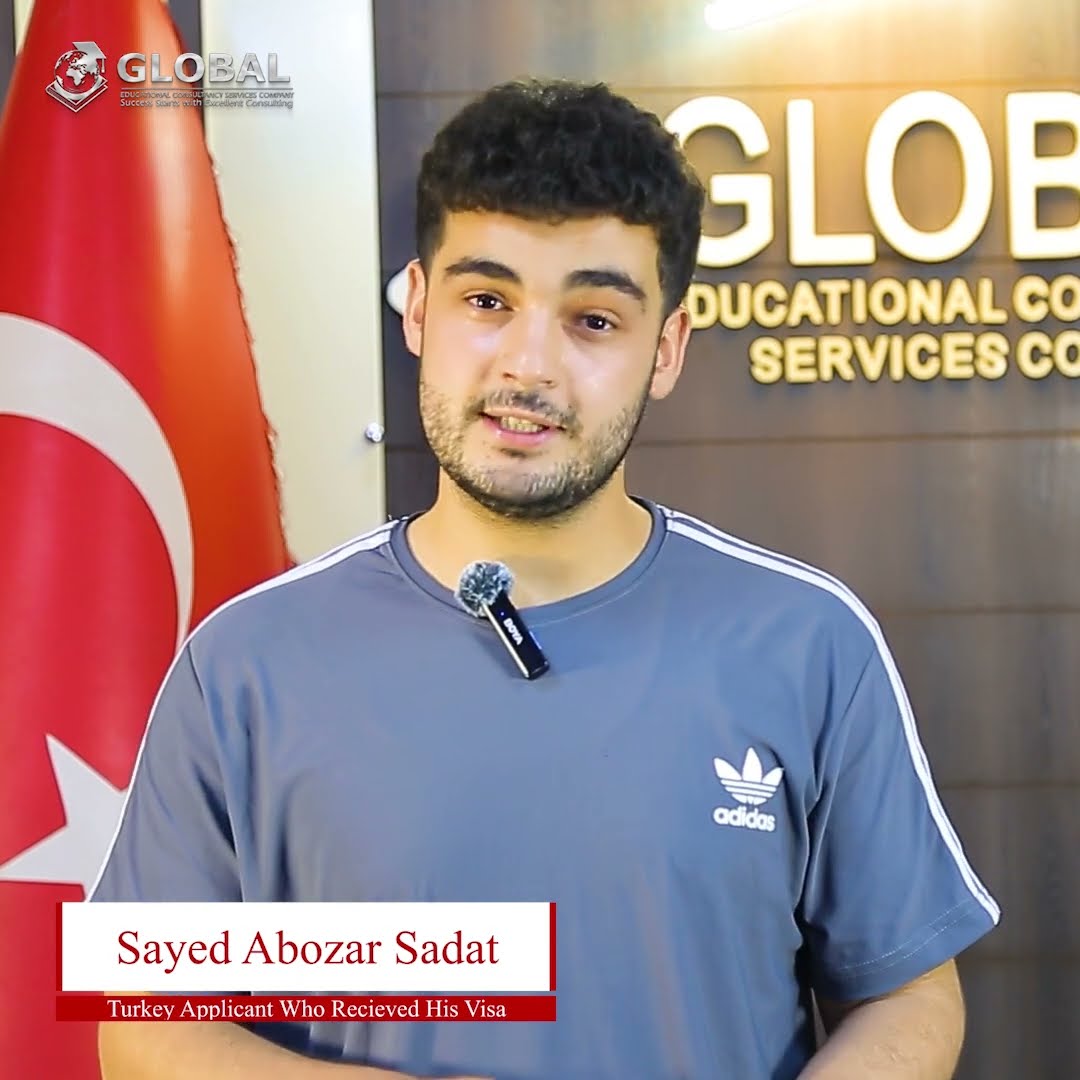 Visa issued
 Visa issued
 Visa issued
 Visa issued
 Feedback
 Feedback
 Feedback
 Feedback
 Feedback
 Feedback
 Feedback
 Feedback
 Feedback
 Feedback
 Feedback
 Feedback
 Feedback
 Feedback
 Feedback
Arrivals
The part that actually counts.
- A visa is a milestone, not the finish
- Five of our students, landed in China
- At the start of the degree they applied for

Reception
The wall you see when you walk in.
- Not a rendering. Not stock photography.
- Every frame is a real approved visa
- Issued to someone who walked through our door

Seminars
A seminar day, from the front row.
- Free information seminars since 2022
- Real requirements, real costs, real timelines
- Presented by the advisors who process your file
- Tap any photo to open it
Study in Türkiye — information & guidance seminar
- Three hours: requirements, universities, scholarships
- What a year really costs
- How the visa file is built
- Questions in Dari, Pashto or English
- Certificate for everyone who stayed the session


Study Abroad seminar — a full day, several destinations
- Our first large public seminar
- North Cyprus, Türkiye and Europe, one day
- Each desk officer presented their own country
- Costs shown line by line, not one headline number


The advisors who will handle your file
- The counsellors who process your file present it
- The answer in the room is the answer at the desk
Seminars are announced before they run
- Dates posted on Facebook and Instagram
- Or leave your number — we'll call you
Application
One form. Every detail.
Start your application.
- The office form, from anywhere
- Nothing is sent until you press submit
- Download a PDF copy anytime
- An advisor contacts you within three working days
- No fee, no obligation
Your answers stay in this browser until you press submit. We use them only to advise you on studying abroad — see our privacy policy.
Contact
Your next chapter. Let's begin.
Let's connect and start your journey.
- Every destination, one team
- Consultations are free
- You pay only when a file is opened
Haji Yaqoob Square, Shahr-e Naw
Kabul, Afghanistan
Bring three things
- Your last diploma and transcript
- Your passport, or its expiry date
- A realistic budget figure
Questions
What students ask us first.
Is the first consultation really free?
- Yes — nothing to pay until a file opens
- Bring your transcript and a realistic budget
- We'll tell you which countries are possible
Can you guarantee my visa?
- No — and nobody honestly can
- Embassies and universities decide
- We control the quality of the file
What do I need to bring to the first meeting?
- Your last diploma and transcript
- Your passport, or its expiry date
- A realistic family budget
My visa was refused before. Is it worth trying again?
- Often yes — once the refusal is understood
- Bring the letter and the file you submitted
- If it won't succeed, we'll say so
I do not have IELTS yet. Can I still start?
- Yes — some routes don't need a score
- Others do: IELTS, TOEFL or Duolingo
- We plan your timeline around the test
I live in Iran, Pakistan, Türkiye or Oman. Can I apply through you?
- Yes — register online
- Processed the same as in Kabul
- Attend your embassy where you live
How much does studying abroad cost in total?
- It depends on the country
- Tuition, living, insurance, blocked account, flight
- Every figure on the table before a file opens
How long does the whole process take?
- Usually several months, first meeting to departure
- Driven by university and embassy dates
- We tell you the realistic intake up front
Careers
Build a career. Send students abroad.
Work with us. Send a student abroad.
- Counselling, admissions, English, travel and media
- One team under one roof in Shahr-e Naw, Kabul
- Send your CV in two minutes — it goes straight to HR
Why GECSC
Work that changes a student's future.
Why build your career with GECSC?
At Global Educational Consultancy Services Company, you work with universities across the world: in Europe, Asia, North America and beyond. Every day you deal with admissions offices, partner institutions, students and families from different countries and cultures. That builds strong communication skills, confidence and a professional network that grows with you. You learn the full journey from counselling and admissions to visas and travel, so in three to four years you gain the experience and connections to lead a team or start your own business.
Our office in Shahr-e Naw, Kabul is a friendly, supportive place to work. You get training from day one, guidance from senior advisors, and a team that celebrates its people and every student who succeeds.
Real impact
- Every file is a student's next chapter
- You see the visa come through
The whole journey
- Counselling, admissions, visa, travel
- Learn every step under one roof
International work
- Universities across Europe, Asia and North America
- Partners abroad, every day
Room to grow
- Internships in several departments
- Training on the job, from day one
Where you could work
Five departments. One student file.
How hiring works
Four steps, and you always hear back.
- 01Apply onlineChoose a position, upload your CV, ID and photo
- 02HR reviewsEvery application is read
- 03InterviewAt our office in Shahr-e Naw, Kabul
- 04Offer & startYour first week, with the team
Apply
Send us your CV.
- Goes straight to hr@gec.edu.af
- You get an email with your reference number
- PDF or Word, up to 5 MB
Your application is with our HR team.
- We've emailed you a confirmation
- Every application is read
- If your profile fits, we'll call you for an interview
Privacy
What we do with your information.
Global Educational Consultancy Services Company (GECSC), 2nd Floor, Muslim Plaza, Haji Yaqoob Square, Shahr-e Naw, Kabul, Afghanistan.
What we collect
Through this website: the name, phone number, email address, destination and study level you enter in the enquiry form, plus anything you choose to write in the message field. If you become a client we also collect the documents your application requires — transcripts, passport details, financial evidence — but never through this website.
Why we collect it
To answer your enquiry, advise you on your options, and prepare an application if you ask us to. Nothing more.
Who sees it
The GECSC department handling your case. Where an application requires it, the relevant university and the relevant embassy. We do not sell your information, and we do not pass it to any other company for marketing.
How long we keep it
Enquiries that do not become files are kept for one year. Client files are kept as long as the law and the institutions involved require.
Your choices
Write to info@gec.edu.af and ask what we hold about you, ask us to correct it, or ask us to delete it. We will act within thirty days.
Cookies and measurement
This site does not set advertising cookies. If we add visitor measurement later, this page will say so before it goes live.
Questions about this policy: info@gec.edu.af or +93 785 10 10 40.
Terms
What we promise, and what we do not.
These terms cover the use of this website and the general basis on which we advise. The agreement you sign when a file is opened is the document that governs your case.
Decisions are not ours to make
Admission decisions belong to universities. Visa decisions belong to embassies and immigration authorities. GECSC prepares, checks and presents your application to the highest standard we can. We do not promise, guarantee or influence any outcome, and nobody at GECSC is authorised to tell you otherwise.
The information on this site
Requirements, costs and deadlines change without notice. Everything published here is guidance, not a quotation. The figures that apply to you are the ones we confirm in writing for your case.
Fees
Consultation is free. Service fees are set out in your agreement before any file is opened, together with what is included and what is not. Third-party costs — tuition, embassy fees, insurance, tickets — are separate and paid to those parties.
What we need from you
Documents that are genuine, complete and accurate. We do not submit an application we know to be false, and we end an engagement where a client asks us to.
Registration
GECSC is registered and licensed by the Ministry of Industry and Commerce of Afghanistan, is a member of the Union of Educational Consultancy Companies, and is registered with ICEF International.
This website
The text, photographs and videos here belong to GECSC and to the students who agreed to appear. Please do not reuse them without asking. Links to other sites are provided for convenience; their content is not ours.